Walk with wonder. Act with purpose.
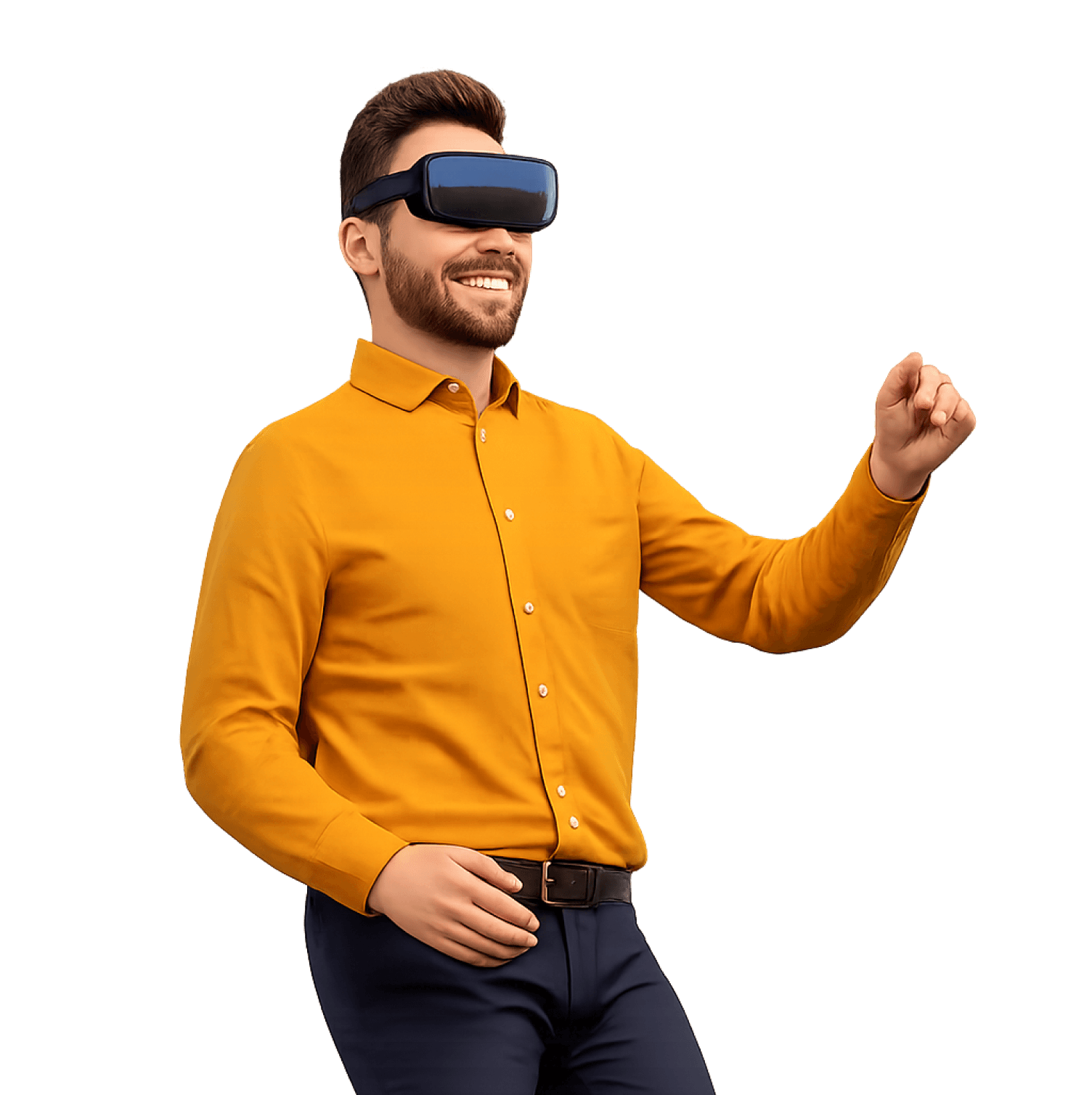
Podyssey is an AI-powered, context-aware AR storytelling experience that layers conservation narratives onto real-world environments.
Year
2025
My Role
Lead UX & UI Designer
Target Users
For Pacific Northwest residents and
visitors, connecting with orca
conservation in place.
Team
Project Manager
UX Researcher
Designer
Overview
My Contributions
Experience Strategy & System Design
Defined the problem and experience vision, led research and synthesis, designed the AI-powered, context-aware AR experience logic, and shaped the end-to-end user journey from interaction to system behavior.
Problem
Orca conservation is hard for the public to connect with because it is presented outside of the places and moments where people actually experience the natural world.
Context
Why orca conservation needs to feel more personal?
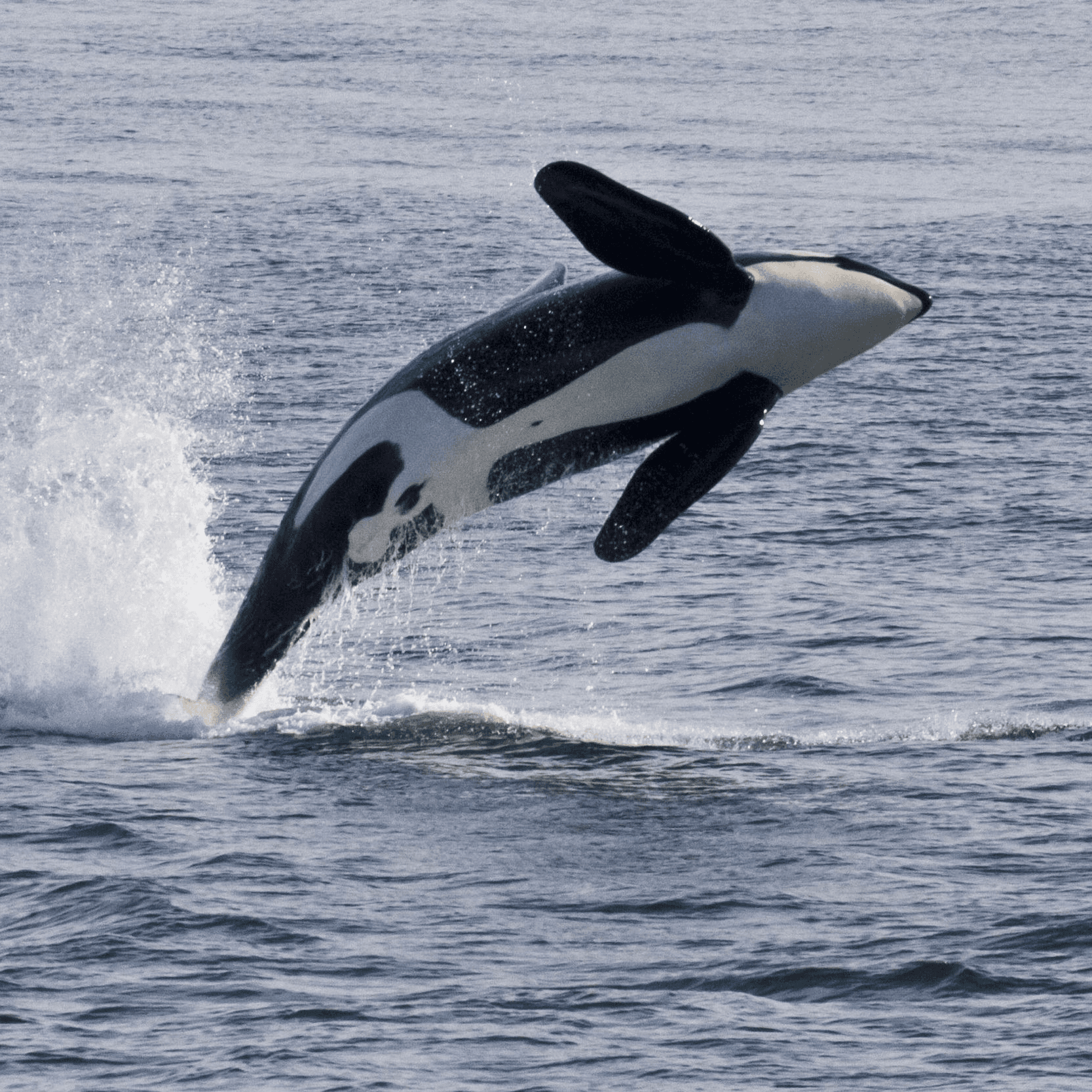
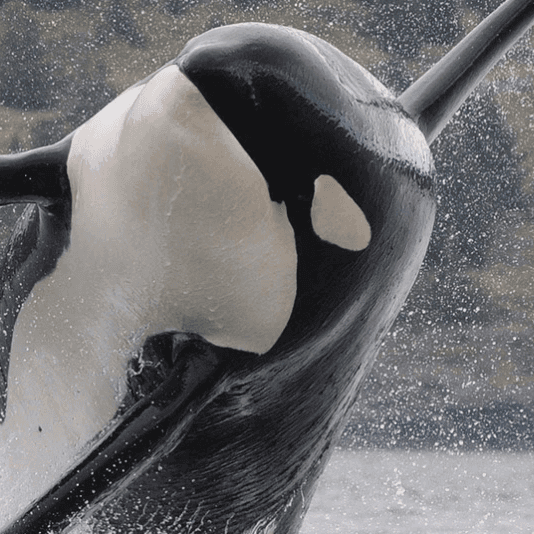
Southern Resident Killer Whales are endangered
Many Pacific Northwest residents feel distant, both emotionally and geographically
Individual actions often feel too small to address large-scale threats
This gap fuels helplessness, weakening conservation efforts
Desired Outcomes
From awareness and emotional connection to everyday and local conservation engagement
01
Increase understanding and emotional connection to orcas
02
Make environmentally responsible behaviors feel more relevant in everyday life
03
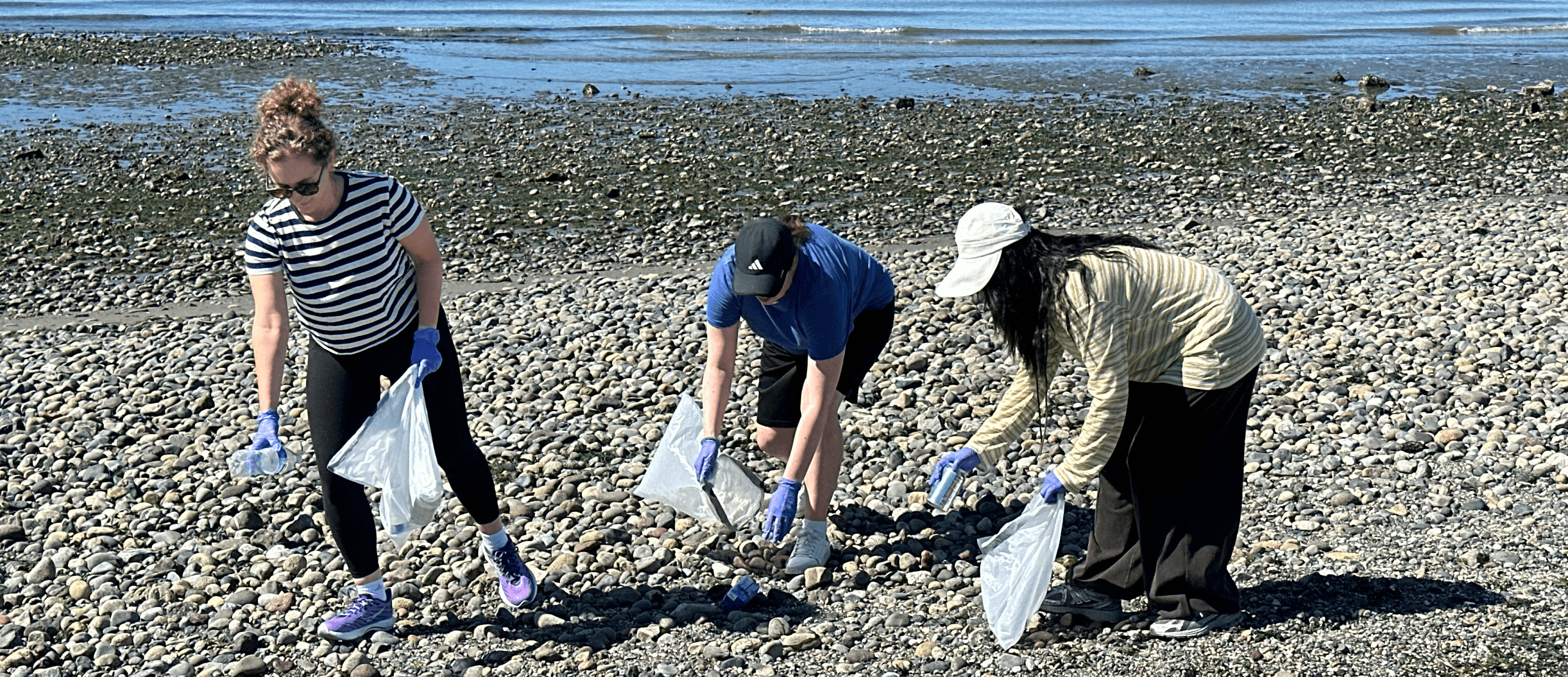
Create clearer pathways to local conservation involvement
Solution
Context-aware AR storytelling experiences about endangered Southern Resident Killer Whales
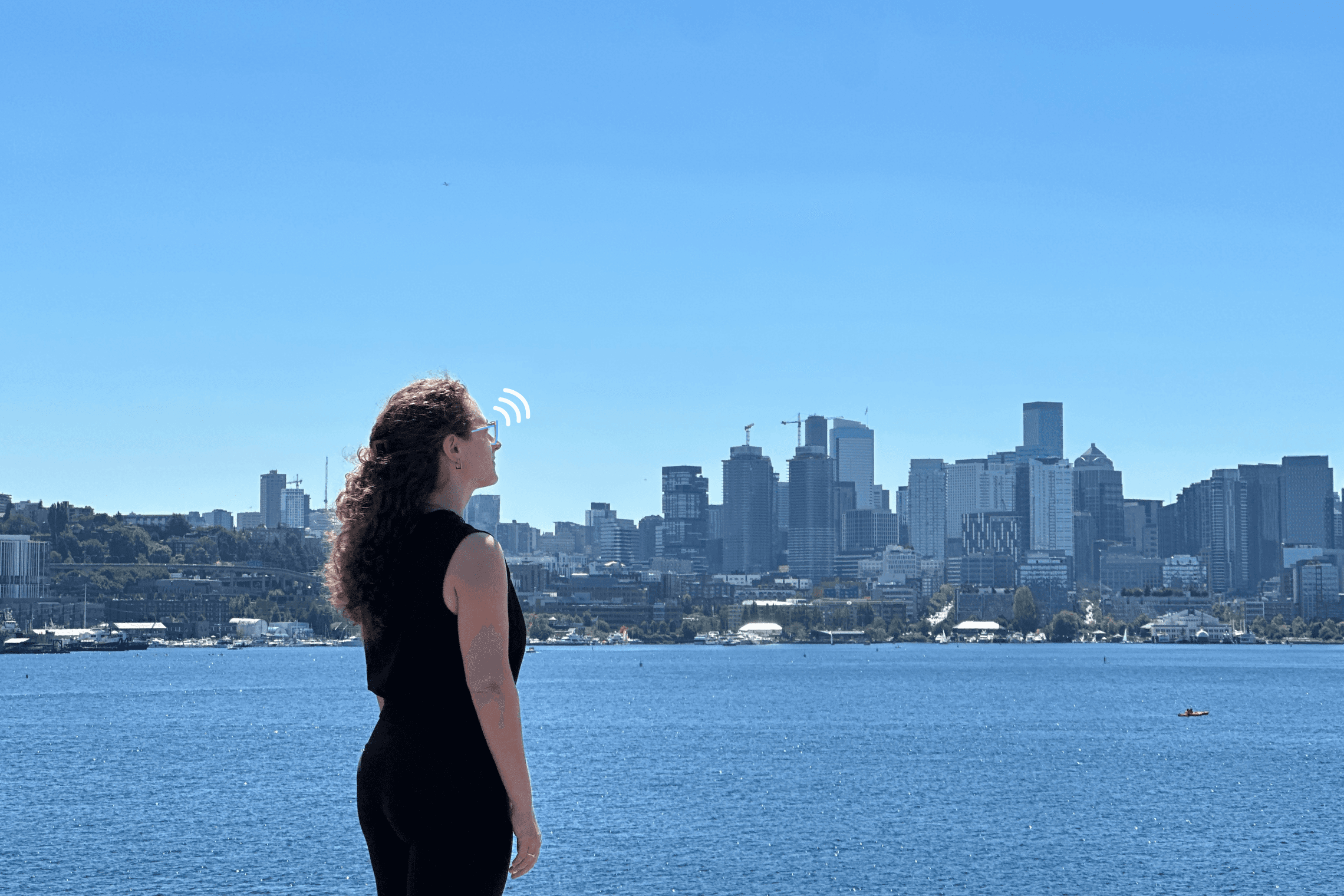
We worked closely with a local orca conservation organization to co-create an AI-powered, context-aware, interactive AR storytelling experience grounded in real conservation work and adaptive to users’ location, movement, and surroundings.
Design Process
Research
Understanding public perceptions and barriers
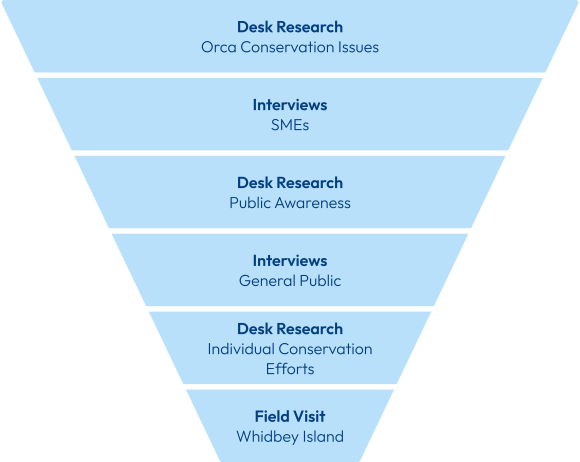
We used a mixed-methods approach—including desk research, interviews, and a field visit—to explore public perceptions of orca conservation and identify barriers to engagement. These methods provided a comprehensive view of attitudes, behaviors, and opportunities for connecting people with conservation efforts in the Pacific Northwest.
Desk Research
3 rounds
Interviews
26 participants
Ethnography
1 field visit
Insight 1:
Orca conservation must feel locally relevant and personally meaningful to bridge the emotional and physical distance that prevents broader public awareness and engagement.
Insight 2:
Having an emotional connection to orcas is key to capturing attention, fostering empathy, and motivating meaningful learning and engagement with conservation efforts.
Insight 3:
While individual actions matter in conservation efforts, collective initiatives, such as partnering with dedicated organizations, deliver greater reach and impact.
Design Challenge
Based on the research insights, I reframed the problem into a design challenge that guided our project direction and design decisions.
How might we help people build a meaningful, local emotional connection to orca conservation and translate that connection into collective engagement with conservation efforts?
Ideation & Downselection
Exploring and narrowing design concepts
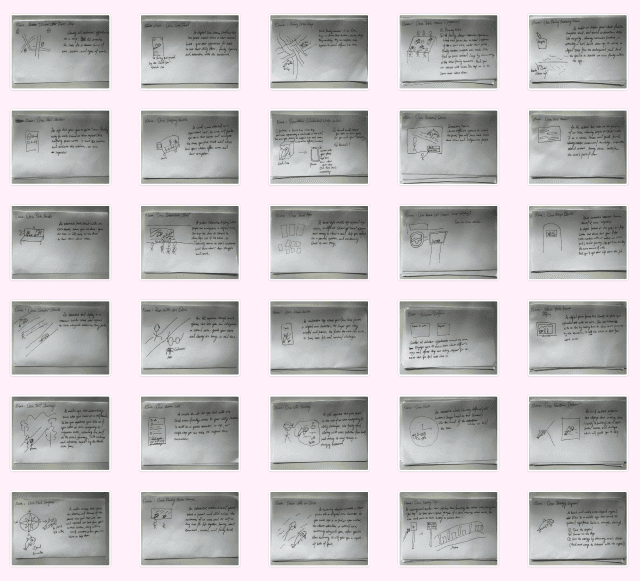
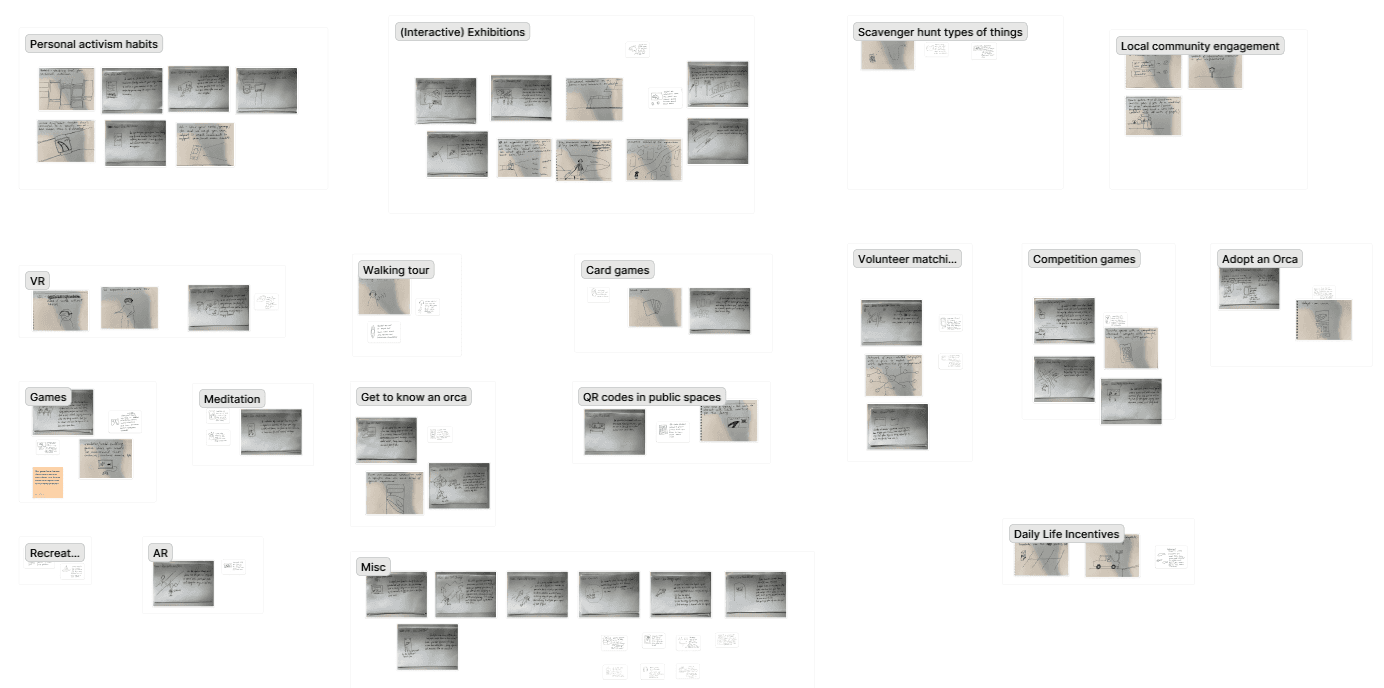
We generated 90 concepts through individual brainstorming, then clustered them into themes and narrowed them using dot-voting. The top 17 ideas were evaluated against our design principles, leading us to select an immersive augmented reality walking experience as our final concept.
Brainstorming
Affinity Mapping
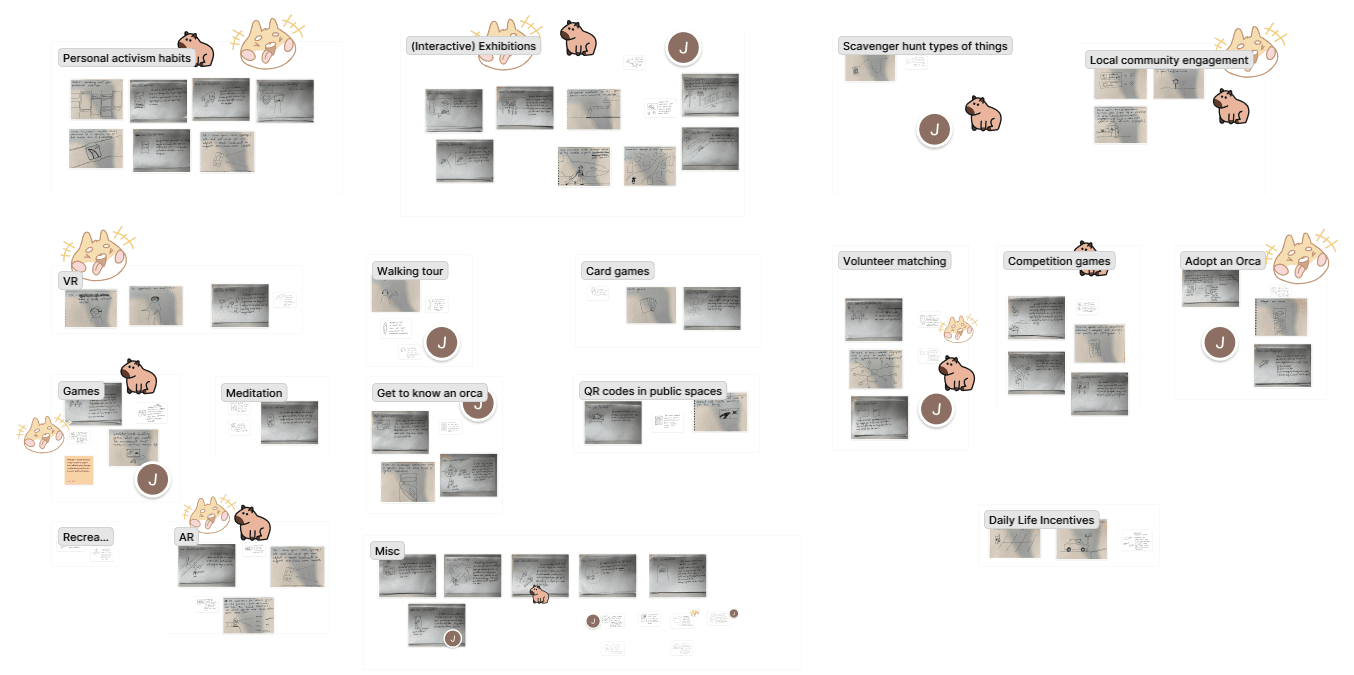
Dot Voting
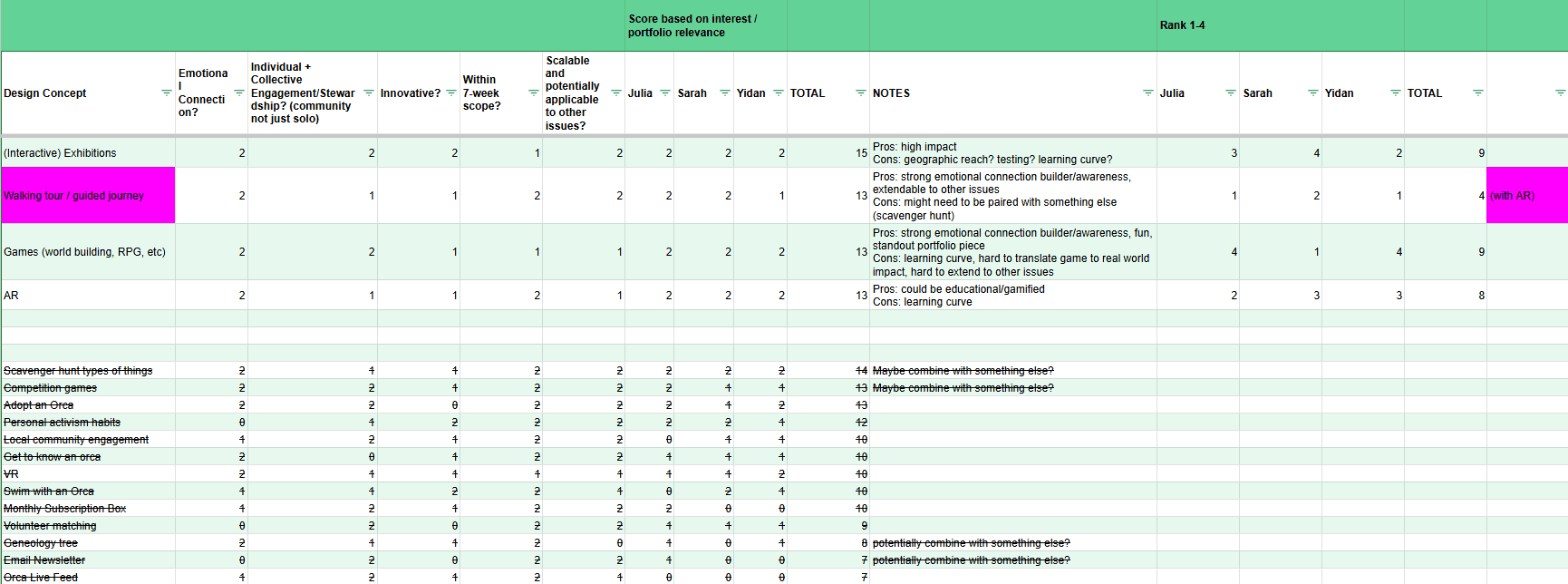
Scoring
Prototyping
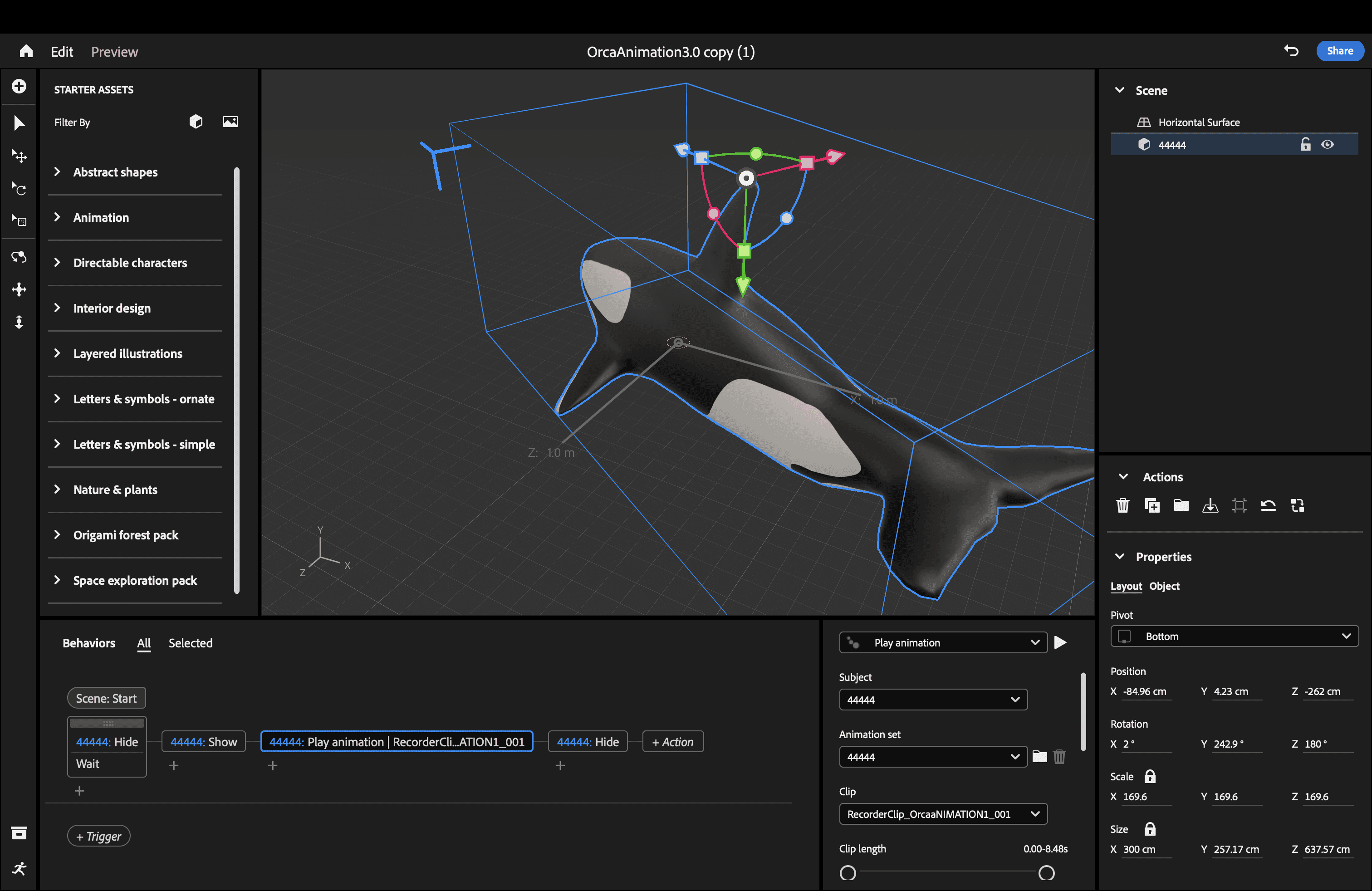
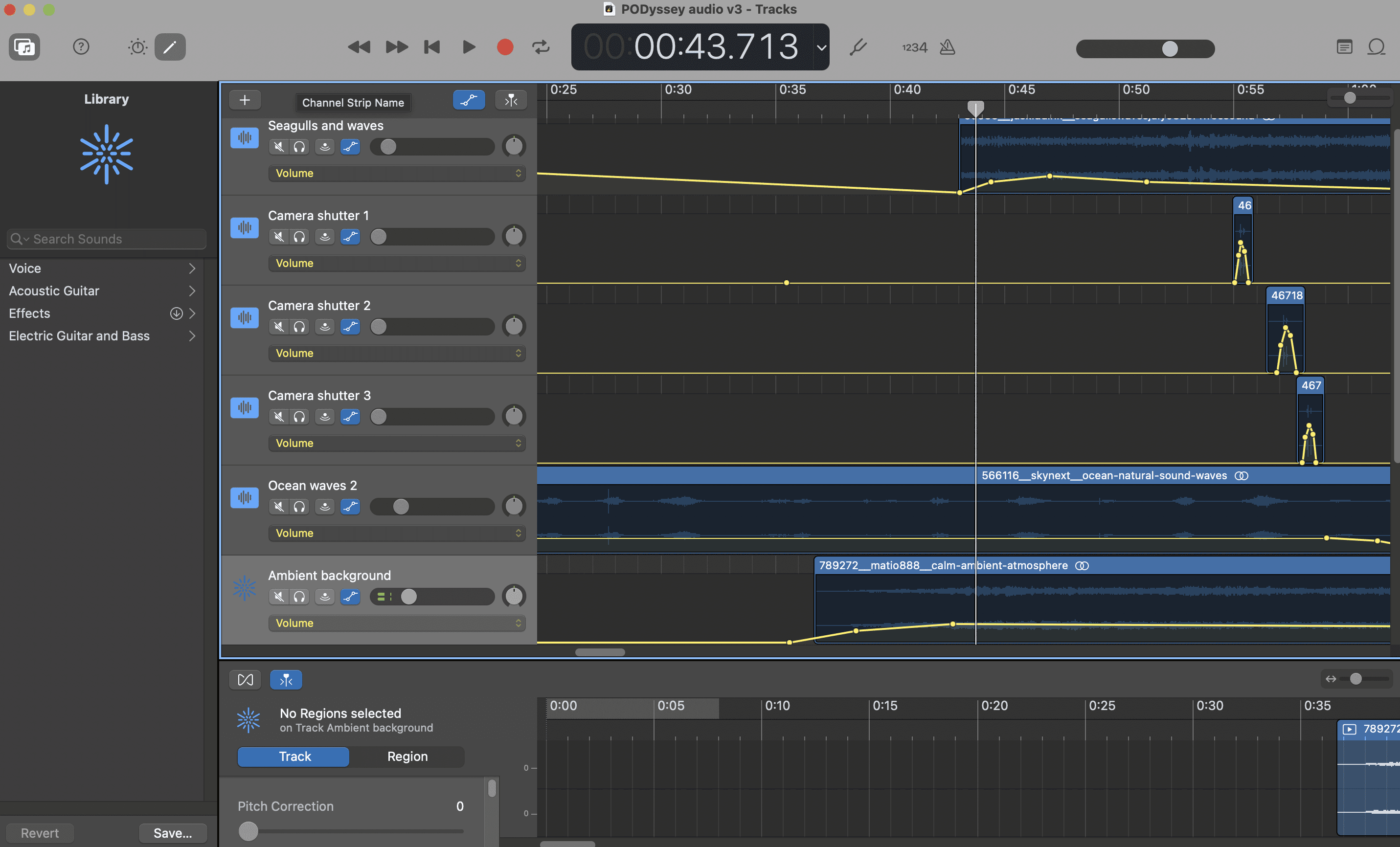
AR + audio prototype
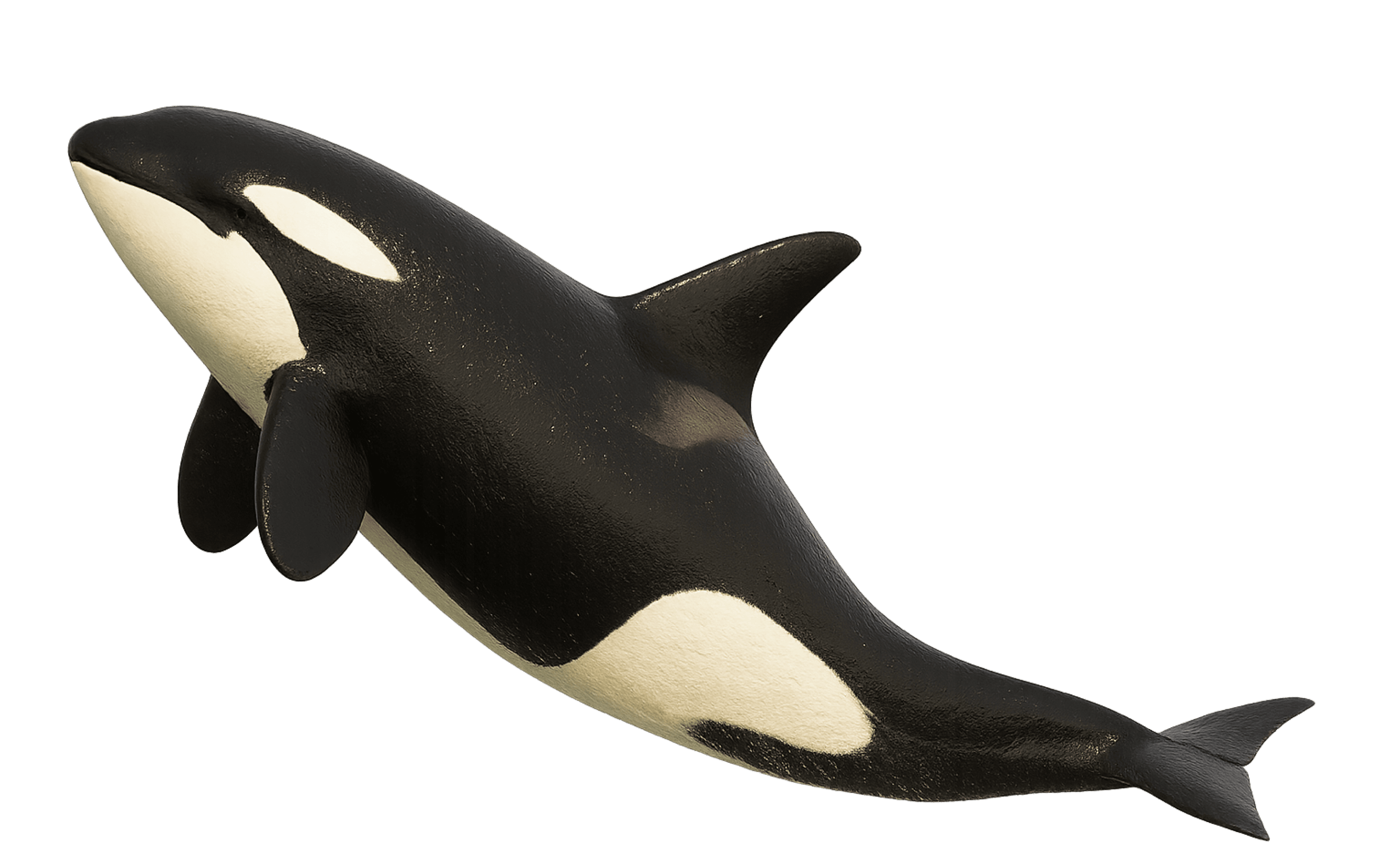
We also prototyped the AR and audio storytelling experience. We applied animation to a 3D orca model, and paired it with compelling audio storytelling narration and ocean soundscapes to create an immersive experience. To accomplish this, we made use of several tools, including Adobe Aero, Unity, After Effects, and GarageBand.
Evaluative Testing
Observing real user interactions
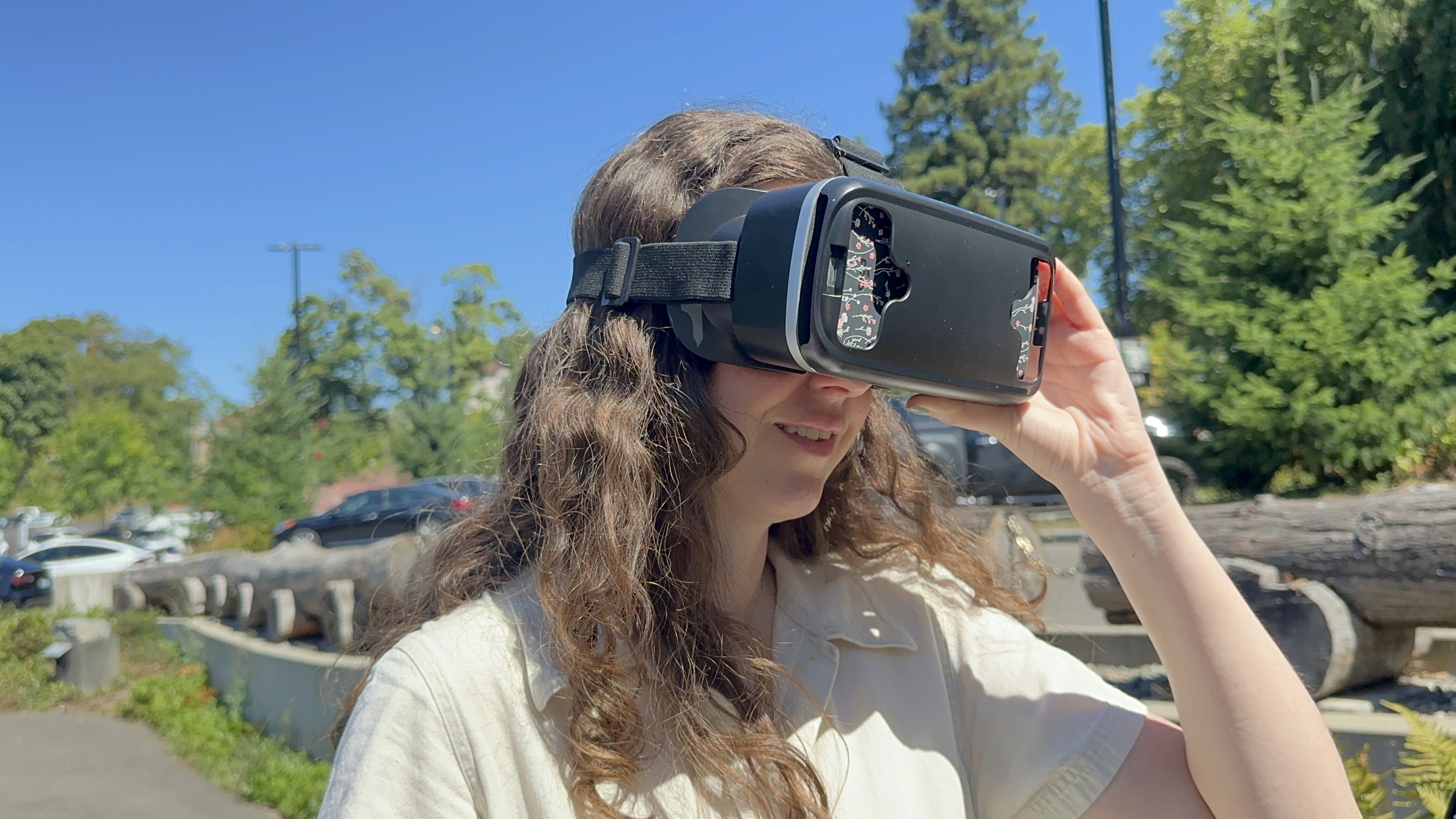
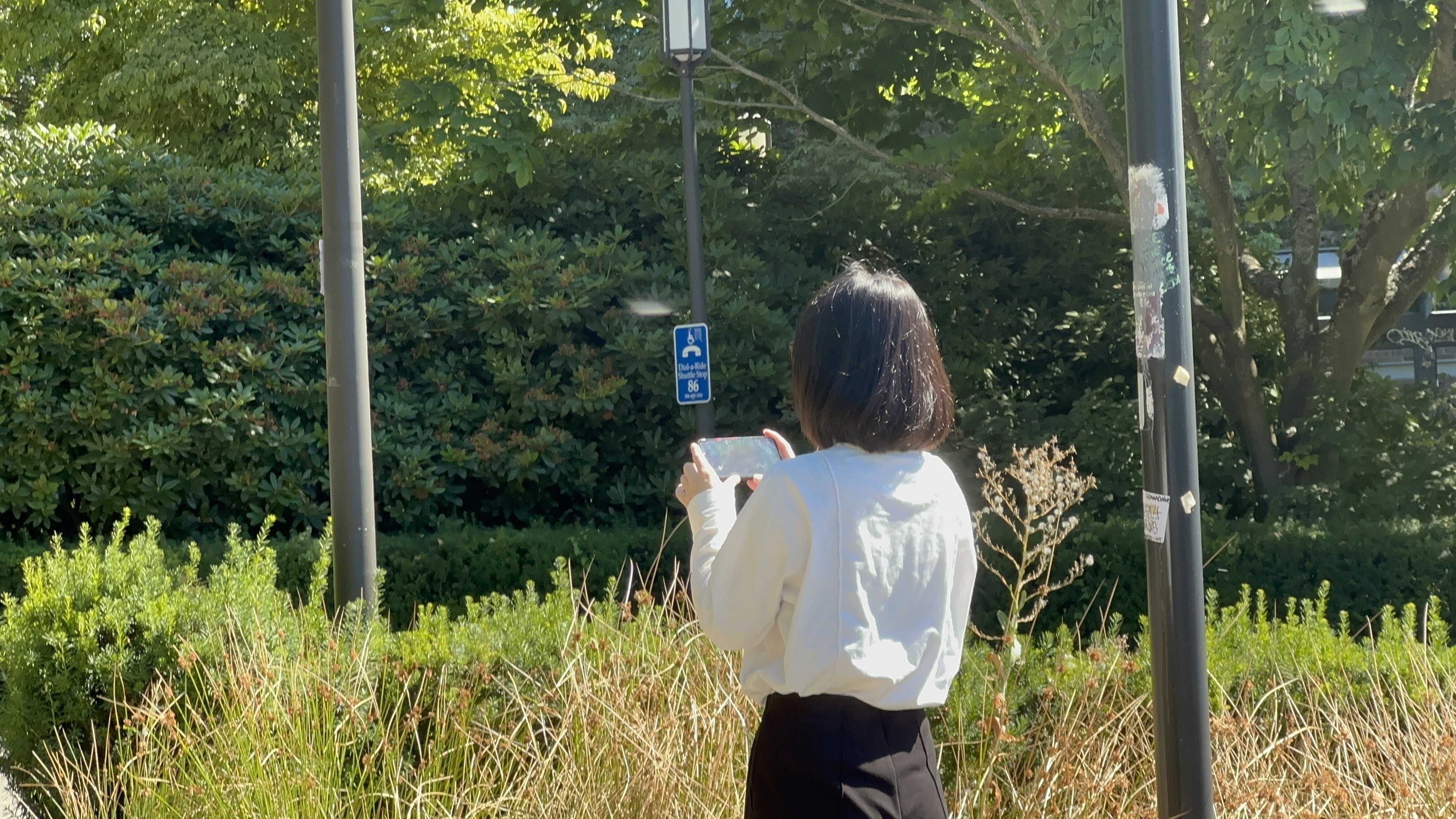
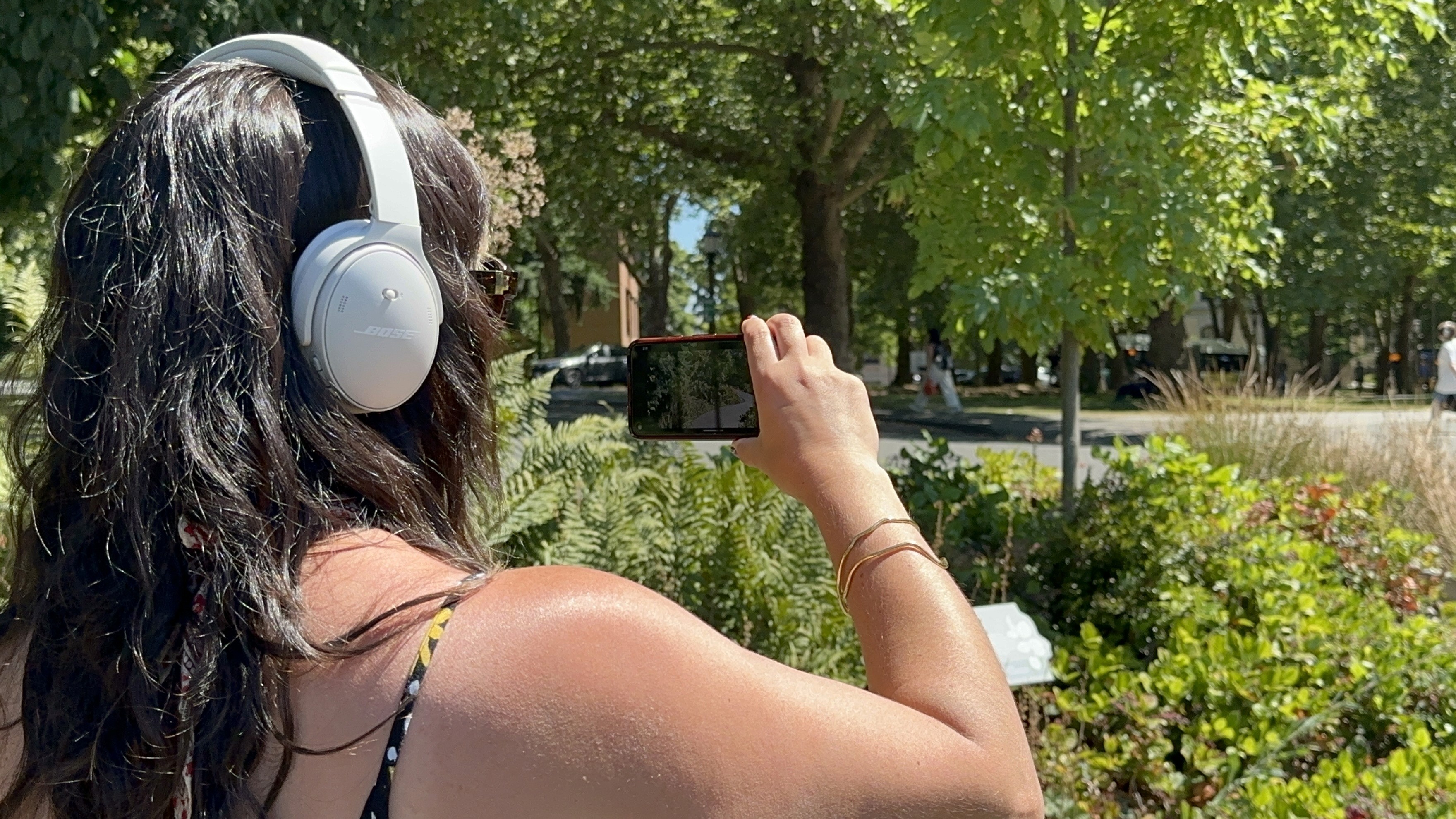
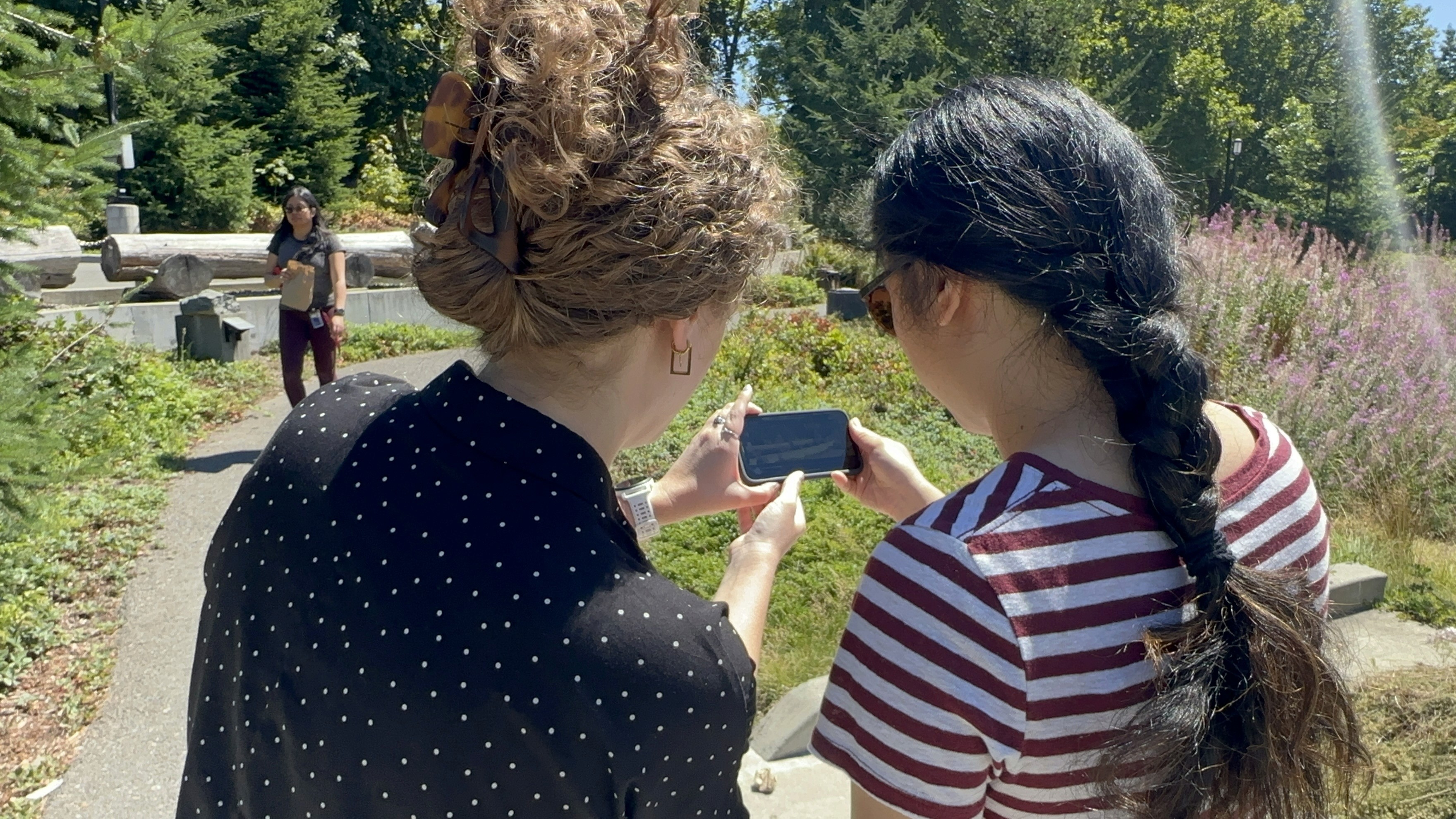
Once we had a functional prototype for both the mobile and AR flows, we conducted evaluative testing with four participants, to get a sense of how real users would engage with our prototype. We observed their interactions and reactions, gathered feedback, and followed up with interview questions.
Additional case details coming soon...